_edited_edited.png)


How to Deal with CPAP Therapy When You’re Claustrophobic

Updated: Sep 15
Using a CPAP Machine with Claustrophobia: Overcoming the Fear
Practical Ways to Reduce CPAP Claustrophobia
Using a CPAP (Continuous Positive Airway Pressure) machine can be life-changing for people with sleep apnea. However, if you’re claustrophobic, wearing a mask while you sleep might feel overwhelming or even impossible. The good news? You’re not alone—and there are practical, proven ways to make CPAP therapy more manageable and comfortable.
Understand the Root of the Fear
Claustrophobia is an intense fear of confined spaces. Wearing a mask tightly over your nose or mouth can easily trigger that fear. This reaction is both emotional and physical. It’s real, and it deserves compassion, not shame. Understanding that your fear is valid is the first step to overcoming it.
1. Choose the Right Mask Style
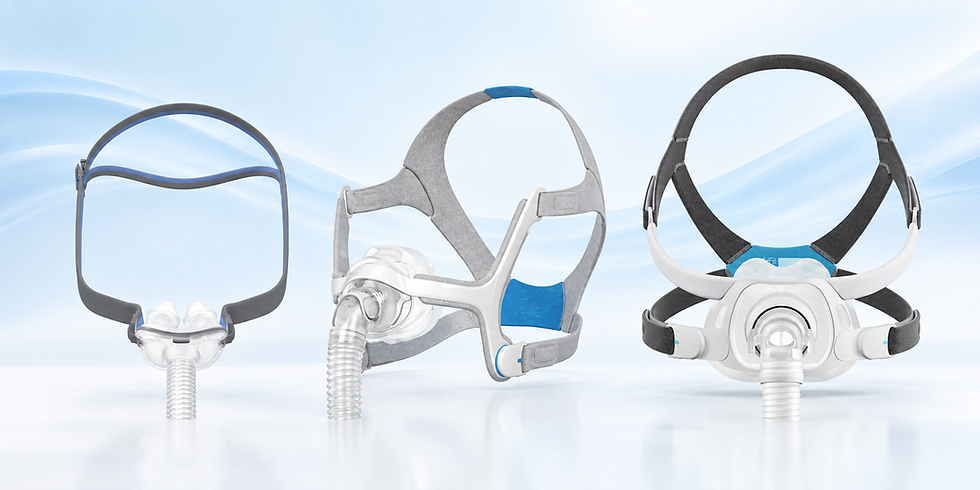
Not all CPAP masks are created equal. There are three main types:
Full-face masks (cover the nose and mouth)
Nasal masks (cover just the nose)
Nasal pillow masks (sit at the nostrils and are the least bulky)
For claustrophobic users, nasal pillow masks are often the most comfortable option. They're lightweight, less intrusive, and provide a feeling of openness, which can greatly reduce anxiety.
2. Take Baby Steps (Desensitization Technique)
Start slowly to build comfort:
First, hold the mask in your hands and look at it.
Then, try holding it to your face without straps.
Next, wear the mask with the straps for short periods during the day.
Finally, turn on the machine and wear it while awake, such as watching TV or reading.
This method, known as desensitization, helps your brain reframe the mask as safe rather than threatening.
3. Practice Deep Breathing and Relaxation Techniques
Relaxation techniques can help reduce feelings of panic. Here are a few techniques you can try:
Box breathing: Inhale for 4 seconds, hold for 4, exhale for 4, and hold again for 4.
Progressive muscle relaxation: Tense and then relax different muscle groups.
Guided meditation or calming music: This can be especially helpful during initial mask use.
Over time, your body will learn to associate the CPAP experience with calm.
4. Try Wearing the Mask During the Day
Sometimes anxiety comes from feeling trapped while asleep. If you wear the mask during the day—such as for 30 minutes while watching TV—it can help normalize the sensation and build your tolerance.
5. Work With a Sleep Specialist or Therapist
If your claustrophobia is severe, consider these options:
Cognitive Behavioral Therapy (CBT): A proven method for reducing anxiety and phobias.
A CPAP-savvy sleep therapist: They can guide you through gradual exposure and offer ongoing support.
Additionally, a sleep tech can assist in adjusting pressure settings or recommending alternative masks.
6. Look Into CPAP Alternatives
If CPAP remains unbearable, speak with your doctor about alternatives:
APAP (Automatic Positive Airway Pressure): Adjusts pressure as you sleep and may feel gentler.
BiPAP machines: They offer different pressures for inhale and exhale, which can enhance comfort.
Surgical options or positional therapy: These may be possible for specific cases of obstructive sleep apnea.
7. Stay Encouraged—It Gets Easier
Many CPAP users who struggled at first now sleep comfortably every night. The adjustment period is temporary. With support, patience, and the right equipment, you can make it work—even with claustrophobia.
Conclusion: Embracing CPAP Therapy
You don’t have to choose between restful sleep and peace of mind. With the right strategies and support, you can manage claustrophobia and reap the health benefits of CPAP therapy. Be kind to yourself, and take it one night at a time.
Furthermore, for more information about overcoming sleep apnea challenges, consider exploring different resources available online. With patience and perseverance, you can turn your CPAP therapy experience into something positive.
Jean-Marie Claassens
Clinical Technologist (Pulmonology)
CPAP Equip


Comments