_edited_edited.png)


CPAP, Sinus Problems & Dry Air in South Africa — Why Your Humidifier Matters

Updated: Sep 15
If you live in South Africa, chances are you or someone you know struggles with sinus problems. Dry winter air, dust, allergies, farming environments, air-conditioning, and changing seasons can all irritate the nose and sinuses.
For many people with sleep apnoea, sinus congestion becomes one of the biggest reasons why CPAP therapy feels uncomfortable at first.
The good news?A properly configured CPAP humidifier can make a massive difference.
At CPAP Equip we regularly help South Africans who complain about:
Blocked noses at night
Dry or burning sinuses
Nosebleeds
Post-nasal drip
Mouth breathing
Waking up congested
CPAP feeling “too dry”
Recurrent sinus irritation during winter
In many cases, humidification settings are the missing piece.
Why CPAP Can Affect Your Sinuses
CPAP therapy pushes a continuous flow of air into your airway while you sleep.
Without enough moisture, this airflow can dry out the delicate lining inside the nose and sinuses. When this happens, the body often reacts by producing more mucus and swelling the nasal passages.
This can lead to:
Nasal congestion
Sinus pressure
Dry throat
Sneezing
Irritated nasal passages
Difficulty tolerating CPAP
This is especially common in South Africa’s dry inland areas where winter humidity levels are very low.
How a CPAP Humidifier Helps
Modern CPAP devices like the ResMed AirSense 11 and ResMed AirSense 10 include integrated heated humidification systems.
These humidifiers add moisture to the airflow before it reaches your nose and throat.
Benefits often include:
Reduced sinus irritation
Easier nasal breathing
Less dryness
Improved comfort
Fewer nighttime awakenings
Better CPAP compliance
Reduced mouth breathing
Less chance of nosebleeds during winter
For many patients, humidification is the difference between giving up on CPAP and sleeping comfortably through the night.
Heated Humidification vs No Humidifier
A CPAP machine without humidification can sometimes feel like sleeping with a fan blowing directly into your nose all night.
Adding humidification helps maintain moisture balance in the airway.
Some patients may also benefit from:
Heated tubing
Adjusting humidity levels seasonally
Lowering bedroom fan speed
Treating allergies
Nasal saline rinses
Using the correct mask type
Can CPAP Help Prevent Sinus Problems?
In some cases — yes.
Untreated sleep apnoea can worsen inflammation, poor sleep quality, mouth breathing, and nighttime congestion.
Once therapy is optimised:
Sleep quality improves
Mouth breathing often decreases
Oxygen levels stabilise
Airway irritation may reduce
Patients frequently tell us they breathe better after a few weeks of properly adjusted CPAP therapy — especially when humidification is set correctly.
Important: Humidifier Settings Matter
Too little humidity can cause dryness.
Too much humidity can sometimes cause:
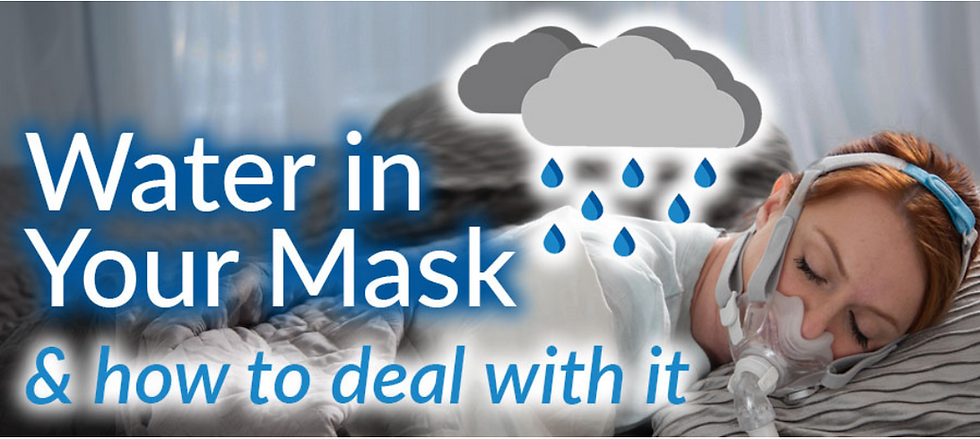
Condensation in tubing (“rainout”)
A stuffy nose
Excess moisture buildup
That’s why proper setup and monitoring matter.
At CPAP Equip we assist patients with:
Humidity adjustments
Comfort settings
AirView remote monitoring
Mask leak optimisation
Pressure adjustments
Seasonal CPAP comfort support
Because CPAP therapy should feel comfortable — not like a struggle every night.
When to Speak to a Doctor
If you experience:
Frequent sinus infections
Fever
Facial pain
Thick green mucus
Persistent congestion despite humidification
Severe allergies
…it’s important to consult your doctor or ENT specialist.
CPAP humidification can help with dryness and irritation, but it does not replace medical treatment for an active sinus infection.
Final Thoughts
Sinus irritation is incredibly common in South Africa — especially during dry winter months.
Many CPAP users assume the machine is causing the problem, when in reality the solution is often proper humidification and therapy optimisation.
A well-configured CPAP humidifier can:
Make therapy dramatically more comfortable
Reduce dryness and congestion
Improve sleep quality
Help patients stay compliant long term
At CPAP Equip we don’t just sell CPAP machines — we help optimise your therapy for real-world South African conditions.
Jean-Marie Claassens
Clinical Technologist (Pulmonology)
CPAP Equip


Comments